 Featured
Cinema Blend.com
Provides entertainment news and reviews including movies, pop culture, video games, and television.
Featured
HumanHand.com
Learn palmistry, ask a question, or read articles. Includes an online certification course.
Featured
Lucky Name Numerology
Offers information about lucky name numerology including the power of names and numbers.
Featured
Numerology-Free.com
Free course helps users understand life paths, energy vibrations, and the core concept of a birthday's alphabet.
Featured
Social Vixen
Celebrity, fashion, and lifestyle ezine offering designer profiles, celebrity interviews, model spotlights, reviews, health and beauty tips, and more.
Featured
WikiDo
Users can discover local events, searchable by city and updated daily. Includes concerts, sports, arts, music, nightlife, theater, and more.
World Numerology
Provides an immersive numerology experience Unclaimed: Claim this business
Evansville Museum of Arts, History, & Science
One of SW Indiana's most established and significant cultural institutions, the Evansville Museum is a general museum with comprehensive collections in art, history, anthropology and science, as well as a planetarium and Transportation Center. The Museum is closed on Tuesdays September through February. EMTRAC hours are the same as the Museum's but it closes at 4:30 each day.
International Wolf Center
The International Wolf Center advances the survival of wolf populations by teaching about wolves, their relationship to wild lands and the human role in their future.
KidsQuest Children's Museum
Enjoy hours of delight and discovery at this innovative hands-on museum for children and families designed to engage kids from infancy to age ten. KidsQuest is a unique place for fun and exploration. Art, science, technology and daily life experiences are integrated in world-class exhibits with strong ties to the Pacific Northwest. Bring your family to KidsQuest to stimulate imaginations,…
Monterey County Youth Museum
Now open at 425 Washington Street, located in Downtown Monterey, conveniently by the Monterey Sports Center and Dennis the Menace Park, the Monterey County Youth Museum provides an environment unique to any other in Monterey County. This 8,500 square foot museum is packed with a variety of hands on exhibits, making each visit unique and exciting. It compliments any visit…
Pioneer Auto Show
Established in 1954, the South Dakota auto museum includes more than 300 vintage cars, trucks, motorcycles and tractors as well as an eclectic array of vintage collectibles.
Velveteria
Leading authorities on velvet paintings, we display around 350 velvets in our museum. Our collection is over 2000 paintings.
American Civil War Wax Museum
Our museum is an educational and inspiring experience for families or tour groups of all ages. The museum is a "must" see for all visitors to Gettysburg. Gettysburg Gift Center is one of Gettysburg's largest and finest gift shops, offering an extensive selection of quality gifts.
Idaho Museum of Natural History
The Idaho Museum of Natural History is home to collections in Anthropology, Earth Sciences, and Life Sciences. The Museum also maintains an archive which documents its history as well as the history of the collections. Researchers pursue scholarly study of the collections and publish their findings in peer-reviewed and museum-sponsored publications. Exhibitions emphasize the collections and mission of the Museum,…
Midway Museum
The Midway Museum is owned and administered by the Midway Museum, Inc., a private non-profit organization. The Midway Museum is the home to a prodigious collections of heirloom furnishing, paintings, artifacts and historical documents as well as genealogical books of reference that many prominent families and their ancestors donated from the colonial period.
College Football Hall of Fame
The College Football Hall of Fame and Chick-fil-A Fan Experience is an interactive Atlanta attraction that engage the sports fan in you from the moment you set foot in the building. This experience is a complete immersion into all things college football. Named one of the top 10 things to do in Atlanta, GA, the College Football Hall of Fame…
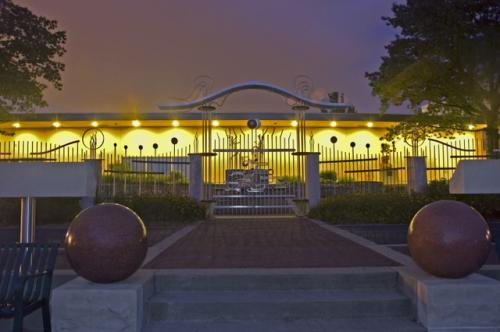
Katrina National Memorial Museum
Our mission is to build a LEED CERTIFIED PLATINUM green technology museum in New Orleans to honor those who perished in Hurricane Katrina, remember & learn from the catastrophe, & celebrate the strength of the survivors & those who helped rebuild.

Perkins Store and Museum LLC
At Perkins Store and Museum LLC , We pride our company on reliability, great communication, integrity, and quality work. We are experts in our trade and will do our best to keep you as educated as we can on your particular task or project. We look forward to earning your business, feel free to give us a call today! Unclaimed: Claim this business
Why Choose Us
Best of the Web has verified and listed millions of businesses since 1994, adapting our model to new technologies and new digital marketing requirements as the decades have rolled by. We remain the most trusted online directory around, and the go-to choice for a quality business directory listing which drives results.
-
Improving Online Business Presence
Elevate your market presence with our targeted SEO strategies and premium listings, ensuring top-tier online visibility.
-
24/7 Customer Support
Our dedicated team is available around the clock, providing seamless support to enhance your business operations.
-
Trusted by Customers
Build customer trust with our rigorously vetted listings, boosting your credibility and attracting quality clientele.